
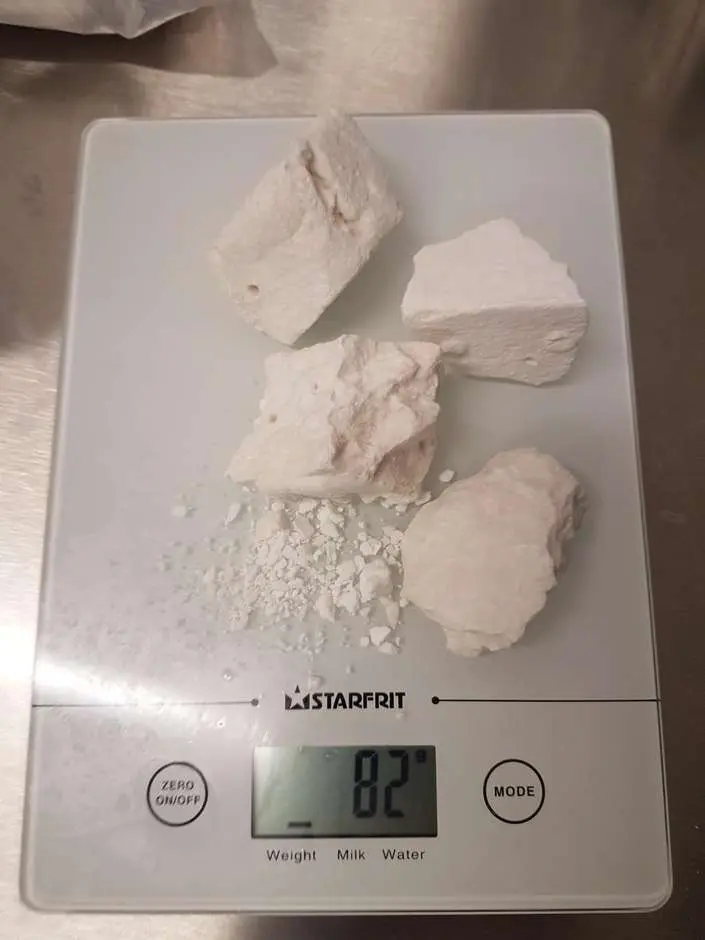
Description
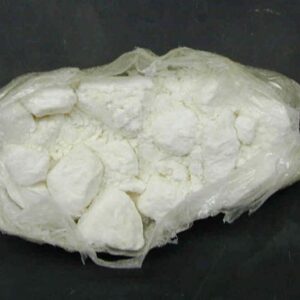
Amazonian cocaine is an informal geographic expression that may be used in discussions about cocaine associated with the Amazon region of South America. The phrase can appear in historical, geographic, cultural, or informal discussions about coca cultivation and the broader history of cocaine.
Importantly, Amazonian cocaine is not a standardized chemical classification. The term does not identify a specific formulation, purity level, potency, or verified geographic origin. A geographic label cannot reliably establish what a particular substance contains or where it was actually produced.
The Amazon region is also geographically and culturally distinct from the Andes, although parts of the broader Amazon basin overlap with countries that have historical connections to coca cultivation. Traditional plants, cultural practices, and illicit concentrated drugs should not be treated as interchangeable.
This article explains the meaning of Amazonian cocaine, its geographic context, how cocaine affects the body and brain, potential health risks, addiction, overdose warning signs, withdrawal, and treatment.
What Is Amazonian Cocaine?
Amazonian cocaine is an informal term that may describe cocaine associated with the Amazon region or with broader South American geographic contexts.
The term does not represent a recognized chemical category in medicine or pharmacology.
A substance described as Amazonian cocaine could differ from another substance using the same label in terms of:
- Chemical composition
- Purity
- Potency
- Contaminants
- Physical characteristics
- Actual geographic origin
For that reason, the name should not be treated as laboratory confirmation of a substance’s identity.
Is Amazonian Cocaine a Specific Type of Cocaine?
No. Amazonian cocaine is not a distinct scientific or pharmaceutical form of cocaine.
Cocaine has recognized chemical forms, but geographic descriptions such as “Amazonian” primarily indicate an alleged or perceived association with a region.
The label does not establish a unique chemical profile.
It also does not mean that the substance is:
- More pure
- More potent
- Safer
- More dangerous
- Pharmaceutical-grade
- Naturally produced
Chemical composition must be established through appropriate analytical testing rather than geographic terminology.
The Amazon Region and Coca
The Amazon basin is one of the world’s largest ecological regions and extends across several countries in South America.
It is important to distinguish the Amazon’s enormous geographic and cultural diversity from the history of coca cultivation, which has traditionally been associated particularly with parts of the Andes.
Coca has a long history of traditional cultural use among Indigenous communities in certain areas of South America. These traditional practices are distinct from the production and consumption of concentrated cocaine.
Coca leaves and purified cocaine are not the same substance.
This distinction is important when discussing geographic terms such as Amazonian cocaine.
Amazonian Cocaine and Geographic Labels
Geographic labels can sometimes make an illicit substance appear more standardized than it actually is.
The term Amazonian cocaine may imply that a substance definitely originated in the Amazon region. However, an informal name cannot independently verify geographic origin.
A substance may be described using a geographic term because of:
- Marketing language
- Informal terminology
- Historical associations
- Assumptions about origin
- Cultural references
None of these factors proves the actual source of an individual sample.
Does Geographic Origin Determine Cocaine Purity?
No.
The geographic association of cocaine cannot reliably establish:
- Purity
- Potency
- Concentration
- Chemical composition
- Contamination
- Safety
Two substances with the same geographic nickname may have different chemical compositions.
Likewise, two samples from the same broad geographic region may differ considerably.
Laboratory analysis is required to determine the chemical composition of a substance.
How Cocaine Affects the Brain
Cocaine is a powerful stimulant that acts on the central nervous system.
One of its major effects involves the brain’s dopamine system. Cocaine interferes with normal neurotransmitter reuptake, increasing signaling associated with reward, motivation, and reinforcement.
This can produce temporary stimulation and heightened alertness.
However, repeated exposure can change reward pathways and contribute to:
- Cravings
- Compulsive use
- Loss of control
- Dependence
- Cocaine use disorder
- Continued use despite harmful consequences
Short-Term Effects of Cocaine
If a substance described as Amazonian cocaine contains cocaine, potential short-term effects may include:
- Increased alertness
- Increased energy
- Restlessness
- Agitation
- Anxiety
- Irritability
- Reduced appetite
- Increased heart rate
- Increased blood pressure
- Increased body temperature
- Difficulty sleeping
Effects vary between individuals.
When the actual composition of an illicit substance is unknown, effects can be unpredictable because other compounds may also be present.
Cardiovascular Risks
Cocaine can place substantial stress on the cardiovascular system.
Potential complications include:
- Increased heart rate
- High blood pressure
- Abnormal heart rhythms
- Reduced blood flow to the heart
- Heart attack
- Stroke
- Other serious cardiac complications
These risks can occur even in people who have no previously diagnosed heart disease.
The geographic name attached to cocaine does not eliminate these risks.
Neurological Effects
Cocaine can also affect the nervous system and brain.
Potential neurological complications include:
- Severe headaches
- Seizures
- Confusion
- Loss of coordination
- Altered consciousness
- Stroke
- Other serious neurological complications
Severe neurological symptoms after suspected cocaine exposure require immediate medical evaluation.
Psychological Effects
Cocaine can affect mood, behavior, and perception.
Possible psychological effects include:
- Anxiety
- Panic
- Irritability
- Agitation
- Paranoia
- Restlessness
- Mood changes
- Difficulty concentrating
- Severe psychological distress
Repeated exposure can contribute to longer-lasting psychological and behavioral problems.
Can Amazonian Cocaine Cause Addiction?
If a substance described as Amazonian cocaine contains cocaine, it can contribute to cocaine use disorder.
Cocaine can strongly activate the brain’s reward system. Repeated exposure may cause cravings and behavioral changes that make stopping difficult.
Potential signs of cocaine addiction include:
- Strong cravings
- Difficulty controlling use
- Repeated unsuccessful attempts to stop
- Continued use despite health problems
- Neglect of responsibilities
- Problems with family or relationships
- Problems at work or school
- Persistent preoccupation with cocaine
Cocaine addiction is treatable, and professional support can help people work toward recovery.
Long-Term Health Effects
Repeated cocaine exposure may contribute to serious long-term health problems.
Potential complications include:
- Cardiovascular disease
- High blood pressure
- Abnormal heart rhythms
- Stroke
- Cognitive difficulties
- Sleep problems
- Anxiety
- Mood disturbances
- Dependence
- Addiction
- Social and occupational problems
Long-term effects depend on factors including frequency of exposure, individual health, other substances involved, and the actual composition of the drug.
Unknown Composition and Contamination
Illicit substances may contain compounds that are not represented by their informal names.
This is particularly relevant when cocaine is identified only through a geographic label such as Amazonian cocaine.
A geographic term does not guarantee:
- A particular cocaine concentration
- Chemical purity
- Consistent potency
- Absence of contaminants
- Predictable effects
Unknown composition can increase health risks because the person exposed may not know what chemicals are actually present.
Cocaine and Alcohol
Combining cocaine and alcohol can create additional health concerns.
When cocaine and alcohol are present together in the body, the liver can produce cocaethylene, a compound associated with additional cardiovascular and toxicological risks.
Alcohol can also affect judgment and make it more difficult to recognize serious symptoms.
The combination should therefore not be considered harmless.
Signs of Cocaine Toxicity or Overdose
Cocaine toxicity can become life-threatening.
Warning signs may include:
- Severe chest pain
- Very rapid or irregular heartbeat
- Difficulty breathing
- Seizures
- Severe agitation
- Extreme confusion
- Loss of consciousness
- Very high body temperature
- Severe headache
- Sudden weakness
- Other symptoms associated with stroke
If someone develops severe symptoms after suspected cocaine exposure, emergency medical assistance should be contacted immediately.
What to Do During a Suspected Cocaine Emergency
A suspected overdose or poisoning should be treated as a medical emergency.
Contact the appropriate local emergency medical service if a person develops severe chest pain, seizures, difficulty breathing, loss of consciousness, or other potentially life-threatening symptoms.
Tell healthcare professionals what is known about the suspected substance and whether other substances may have been involved.
Do not delay emergency care while trying to determine the precise street name or geographic label of a substance.
Cocaine Withdrawal
People who use cocaine regularly may experience withdrawal after stopping or reducing use.
Possible withdrawal symptoms include:
- Fatigue
- Low mood
- Irritability
- Strong cravings
- Increased appetite
- Sleep changes
- Restlessness
- Difficulty concentrating
- Reduced motivation
Withdrawal experiences vary between people.
Severe depression or suicidal thoughts require urgent professional assistance.
Treatment for Cocaine Addiction
Cocaine use disorder can be treated through professional addiction services.
Treatment may involve:
- Medical assessment
- Behavioral therapy
- Counseling
- Addiction treatment programs
- Peer-support services
- Mental health care
- Relapse-prevention strategies
- Long-term recovery support
Behavioral therapies can help people identify triggers, manage cravings, develop healthier coping mechanisms, and maintain recovery.
Treatment should be tailored to the person’s circumstances and medical needs.
Is There a Cure for Cocaine Addiction?
There is no single treatment that works for every person with cocaine use disorder.
Recovery can involve structured behavioral treatment, counseling, support services, and management of co-occurring mental or physical health conditions.
A healthcare professional can help determine an appropriate treatment plan.
Amazonian Cocaine Versus Pharmaceutical Cocaine
An informal geographic term such as Amazonian cocaine should not be confused with pharmaceutical cocaine.
Pharmaceutical cocaine is a regulated medical substance with limited clinical applications under professional supervision. Its identity, formulation, quality, and use are controlled.
An illicit substance described with a geographic name does not have equivalent quality-control guarantees.
Therefore, the phrase Amazonian cocaine should not be interpreted as evidence of pharmaceutical quality.
Common Misconceptions About Amazonian Cocaine
Misconception 1: Amazonian cocaine is a unique chemical variety
It is not. The term is primarily geographic or informal.
Misconception 2: The name proves that the substance originated in the Amazon
A geographic nickname cannot independently verify the actual origin of a particular sample.
Misconception 3: Amazonian cocaine is automatically pure
Geographic terminology does not establish purity.
Misconception 4: The Amazon and Andes are interchangeable terms
They refer to different geographic regions, although they overlap within some countries and broader South American contexts.
Misconception 5: Traditional coca use is the same as cocaine use
It is not. Traditional coca-leaf practices and concentrated cocaine are different in chemical composition, context, and effects.
Misconception 6: Cocaine addiction cannot be treated
Cocaine use disorder can be treated through professional addiction services and behavioral interventions.
Frequently Asked Questions About Amazonian Cocaine
What is Amazonian cocaine?
Amazonian cocaine is an informal geographic term that may be used to describe cocaine associated with the Amazon region. It is not a standardized chemical classification.
Is Amazonian cocaine a different type of cocaine?
No. The term does not identify a unique chemical form of cocaine.
Does Amazonian cocaine come from the Amazon?
The name alone cannot establish the actual geographic origin of a specific substance.
Does geographic origin determine cocaine purity?
No. Purity and chemical composition cannot be established from a geographic label.
Are coca leaves the same as cocaine?
No. Coca leaves and purified cocaine are chemically different and have different contexts of use.
Can Amazonian cocaine cause addiction?
If the substance contains cocaine, it can contribute to dependence and cocaine use disorder.
What are the major risks of cocaine?
Cocaine can cause serious cardiovascular, neurological, and psychological effects and can lead to addiction.
Can cocaine cause heart problems?
Yes. Cocaine can increase heart rate and blood pressure and is associated with serious cardiovascular complications.
What are cocaine overdose symptoms?
Potential warning signs include severe chest pain, abnormal heartbeat, difficulty breathing, seizures, severe agitation, loss of consciousness, and signs of stroke.
What are cocaine withdrawal symptoms?
Withdrawal may include fatigue, low mood, irritability, cravings, sleep changes, increased appetite, restlessness, and difficulty concentrating.
Is pharmaceutical cocaine the same as Amazonian cocaine?
No. Pharmaceutical cocaine is regulated for specific medical applications, while Amazonian cocaine is an informal geographic expression.
Key Facts About Amazonian Cocaine
- Amazonian cocaine is an informal geographic term rather than a standardized chemical classification.
- The Amazon region covers a large area of South America.
- Coca cultivation has a long cultural history in parts of South America, particularly areas associated with the Andes.
- Traditional coca leaves are not equivalent to purified cocaine.
- A geographic label does not prove the actual origin of a substance.
- Geographic terminology cannot establish purity, potency, or safety.
- Cocaine affects the brain and cardiovascular system.
- Serious complications can include heart attack, stroke, abnormal heart rhythms, and seizures.
- Repeated exposure can contribute to cocaine use disorder.
- Combining cocaine with alcohol can create additional health risks.
- Severe symptoms after suspected cocaine exposure require emergency medical attention.
- Professional treatment can help people experiencing cocaine addiction.
Conclusion
Amazonian cocaine is best understood as an informal geographic expression rather than a distinct chemical form of cocaine. The term may be used to describe an association with the Amazon region, but it cannot independently establish the origin, purity, potency, composition, or safety of a particular substance.
The history of coca in South America is complex and includes longstanding traditional uses of coca leaves. These traditional practices should not be confused with concentrated cocaine, which has substantially different chemical and health effects.
Cocaine can place significant stress on the cardiovascular and nervous systems and may contribute to psychological problems, dependence, and cocaine use disorder. Unknown composition can add further uncertainty to the risks associated with illicit substances.
Anyone experiencing severe symptoms after suspected cocaine exposure should seek emergency medical attention. People struggling with cocaine use can also seek professional addiction treatment, counseling, and long-term recovery support.
Reviews
There are no reviews yet.