
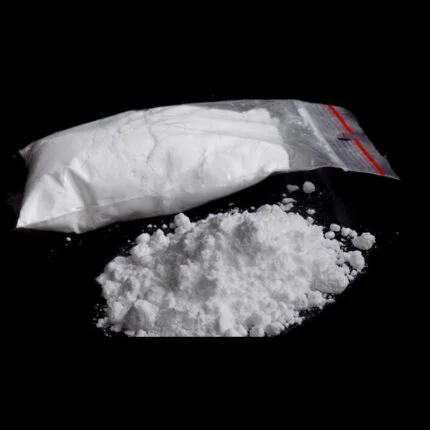
Description
Pearl cocaine is an informal term that may be used to describe cocaine with a distinctive appearance, texture, or crystalline quality. Unlike pharmaceutical drug names, “pearl cocaine” is not a standardized scientific or medical classification.
Street names and appearance-based descriptions can be unreliable because they do not establish the chemical composition, purity, potency, or safety of an illicit substance. A substance described as pearl cocaine may look different from ordinary cocaine powder, but its appearance alone cannot confirm what it contains.
Cocaine is a powerful stimulant that can affect the brain, cardiovascular system, blood vessels, and nervous system. Regardless of the name used to describe it, cocaine carries significant health risks and can lead to dependence and addiction.
What Is Pearl Cocaine?
The phrase pearl cocaine is generally an informal description rather than the name of a recognized pharmaceutical or chemical form of cocaine.
The word “pearl” may refer to an appearance that is described as smooth, shiny, granular, crystalline, or pearl-like. However, these descriptions are not standardized.
The term does not reliably establish:
- Chemical composition
- Cocaine concentration
- Purity
- Potency
- Country of origin
- Manufacturing method
- Presence of other substances
For this reason, pearl cocaine should be understood as a descriptive or slang expression rather than a specific medical category.
Is Pearl Cocaine a Different Type of Cocaine?
There is no established medical classification called “pearl cocaine.”
Cocaine can appear in different physical forms, but changes in appearance do not necessarily indicate a different chemical substance.
The term “pearl cocaine” may be used informally to describe a particular-looking sample, but the name alone cannot determine its chemical properties.
Why Appearance Does Not Prove Purity
Illicit substances can vary considerably in composition and appearance. A shiny, granular, crystalline, or pearl-like appearance does not demonstrate that a substance is pure.
Visual characteristics cannot reliably tell someone:
- How much cocaine is present
- Whether other drugs are present
- Whether contaminants are present
- How strong the substance is
- Whether the substance is safe
This is particularly important because unexpected substances can introduce additional health risks.
What Does Cocaine Usually Look Like?
Cocaine is commonly associated with a white or off-white powder. However, physical characteristics can vary depending on processing, storage, handling, and other factors.
A substance that appears white, clear, crystalline, granular, or pearl-like cannot be identified reliably through appearance alone.
Laboratory analysis is required to determine chemical composition accurately.
What Does the Word “Pearl” Mean in Drug Slang?
Drug slang is often inconsistent. A word may have different meanings in different communities, countries, or time periods.
“Pearl” can be an appearance-based description rather than an indication of a unique drug formulation.
Therefore, someone encountering the term should not assume that it refers to one standardized substance.
How Does Cocaine Affect the Brain?
Cocaine is a stimulant that affects the central nervous system.
One of its important effects involves dopamine, a neurotransmitter associated with reward, motivation, and reinforcement.
Cocaine can temporarily increase alertness and energy, but it can also produce anxiety, agitation, and other unwanted effects.
Repeated exposure can alter the brain’s reward pathways and increase the risk of compulsive use.
Short-Term Effects of Cocaine
Possible short-term effects include:
- Increased alertness
- Increased energy
- Increased heart rate
- Elevated blood pressure
- Reduced appetite
- Restlessness
- Dilated pupils
- Anxiety
- Irritability
- Agitation
- Difficulty sleeping
- Increased body temperature
The effects can vary between individuals and may be influenced by the substance’s composition and whether other drugs are present.
Cardiovascular Risks of Cocaine
Cocaine can significantly affect the cardiovascular system.
It can increase heart rate and blood pressure and affect the normal function of blood vessels.
Potential cardiovascular complications include:
- Abnormal heart rhythms
- Severe increases in blood pressure
- Heart attack
- Stroke
- Other cardiovascular emergencies
These risks are not eliminated by a particular street name or physical appearance.
Can Pearl Cocaine Cause a Heart Attack?
If a substance described as pearl cocaine contains cocaine, cocaine-related cardiovascular complications remain possible.
Cocaine can place substantial stress on the heart and blood vessels. Serious complications can occur unexpectedly.
Chest pain, severe shortness of breath, fainting, or an abnormal heartbeat following cocaine exposure requires urgent medical attention.
Cocaine and the Nervous System
Cocaine stimulates the nervous system and can produce neurological effects.
Potential complications include:
- Severe headaches
- Seizures
- Confusion
- Severe agitation
- Loss of consciousness
- Stroke
- Changes in coordination
Sudden neurological symptoms should always be treated as potentially serious.
Psychological Effects of Cocaine
Cocaine can influence mood, behavior, and psychological functioning.
Possible effects include:
- Anxiety
- Irritability
- Restlessness
- Paranoia
- Suspiciousness
- Mood changes
- Agitation
- Sleep disturbance
- Confusion
Heavy or repeated cocaine exposure can sometimes be associated with severe psychiatric symptoms, including hallucinations or psychosis.
Can Pearl Cocaine Be Addictive?
Yes, if the substance contains cocaine, it carries cocaine’s addictive potential.
Cocaine can produce strong reinforcement through its effects on the brain’s reward system. Repeated use may lead to cravings, dependence, and difficulty controlling use.
Possible signs of cocaine addiction include:
- Strong cravings
- Difficulty stopping
- Repeated unsuccessful attempts to quit
- Continued use despite health problems
- Neglect of responsibilities
- Relationship difficulties
- Financial problems
- Increasing preoccupation with the drug
Professional treatment can help people experiencing cocaine dependence or addiction.
Long-Term Effects of Cocaine
Repeated cocaine use can contribute to serious long-term health problems.
Potential consequences include:
- Cardiovascular disease
- Increased risk of stroke
- Persistent anxiety
- Mood disturbances
- Sleep problems
- Dependence
- Addiction
- Cognitive difficulties
- Social and occupational problems
The effects vary depending on factors such as frequency of exposure, individual health, and whether other substances are involved.
Can Pearl Cocaine Contain Other Substances?
Yes. If pearl cocaine refers to an illicit cocaine sample, its contents may be uncertain.
Illicit drug mixtures can contain additional substances or contaminants. A name, color, texture, or claimed origin cannot reliably establish what is actually present.
This uncertainty can make the effects more difficult to predict.
Why Unknown Composition Increases Risk
Different psychoactive substances can affect the heart, brain, breathing, blood pressure, and consciousness in different ways.
When the composition of a powder is unknown, it becomes harder to anticipate the body’s response.
Unexpected substances can also create interactions that may increase the likelihood of severe reactions.
Cocaine and Other Drugs
Combining cocaine with other substances can increase health risks.
Alcohol, stimulants, sedatives, and other psychoactive substances can interact with cocaine and may produce unpredictable effects.
People should not assume that combining substances is safe simply because each substance is familiar individually.
Cocaine and Mental Health
Cocaine use can contribute to psychological difficulties and may worsen some existing mental-health problems.
Possible effects include:
- Anxiety
- Paranoia
- Irritability
- Mood instability
- Sleep disruption
- Confusion
- Severe agitation
- Psychotic symptoms
Severe confusion, hallucinations, extreme paranoia, or dangerous behavior requires urgent professional evaluation.
Signs of a Cocaine-Related Emergency
Emergency medical assistance is necessary when someone exposed to cocaine or an unknown drug develops serious symptoms such as:
- Chest pain
- Severe difficulty breathing
- Seizures
- Loss of consciousness
- Extreme confusion
- Severe agitation
- Very rapid or irregular heartbeat
- Severe overheating
- Collapse
- Sudden weakness or difficulty speaking
These symptoms may indicate a life-threatening medical emergency.
Cocaine Withdrawal
Regular cocaine use can result in withdrawal symptoms after stopping or significantly reducing use.
Possible symptoms include:
- Fatigue
- Low mood
- Irritability
- Anxiety
- Increased appetite
- Sleep changes
- Difficulty concentrating
- Strong cravings
Withdrawal experiences differ between people.
Severe depression or suicidal thoughts require urgent professional support.
Treatment for Cocaine Addiction
People experiencing problems with cocaine use can seek assistance from healthcare professionals, addiction specialists, mental-health providers, or substance-use treatment services.
Treatment may involve:
- Behavioral therapy
- Counseling
- Support groups
- Relapse-prevention planning
- Mental-health treatment
- Addiction treatment programs
- Treatment for co-occurring conditions
Recovery is possible, and seeking professional help can be an important step toward reducing harm and improving health.
Understanding Drug Names and Street Terms
Street names can make drug information confusing because the same term may have different meanings in different places.
Terms such as “pearl cocaine” should therefore be interpreted cautiously.
A slang name does not necessarily identify:
- A specific chemical
- A specific concentration
- A specific production method
- A specific country of origin
- A specific level of risk
Reliable medical information should focus on the actual substance and its known pharmacological effects rather than relying on informal names.
Frequently Asked Questions About Pearl Cocaine
What is pearl cocaine?
Pearl cocaine is an informal term that may describe cocaine based on its appearance or texture. It is not a standardized medical or chemical classification.
Is pearl cocaine a separate type of cocaine?
No recognized medical classification defines pearl cocaine as a separate chemical form. The term is primarily informal or descriptive.
Does the pearl-like appearance mean the cocaine is pure?
No. Appearance cannot establish purity, potency, or chemical composition.
What are the effects of cocaine?
Possible effects include increased alertness and energy, increased heart rate and blood pressure, anxiety, restlessness, agitation, reduced appetite, and sleep problems.
Can cocaine cause addiction?
Yes. Cocaine has significant addictive potential and repeated use can lead to cravings, dependence, and cocaine use disorder.
Can cocaine cause a heart attack?
Yes. Cocaine can place substantial stress on the cardiovascular system and has been associated with heart attack and other serious cardiovascular complications.
Can cocaine cause a stroke?
Yes. Cocaine can affect blood pressure and blood vessels and has been associated with an increased risk of stroke.
Can pearl cocaine contain other substances?
If the term refers to an illicit cocaine sample, its composition may be uncertain. Other substances or contaminants may be present.
Can cocaine affect mental health?
Yes. Cocaine can contribute to anxiety, paranoia, irritability, mood changes, sleep disturbances, and severe psychological symptoms in some cases.
What should someone do during a cocaine-related emergency?
Symptoms such as chest pain, seizures, difficulty breathing, loss of consciousness, severe overheating, extreme confusion, or sudden neurological problems require immediate emergency medical attention.
Conclusion
Pearl cocaine is an informal term that may be used to describe cocaine based on a particular physical appearance or texture. It is not a standardized pharmaceutical or scientific classification and should not be interpreted as proof of purity, potency, or safety.
Cocaine is a powerful stimulant that can affect the cardiovascular system, brain, nervous system, and mental health. Potential complications include heart attack, stroke, seizures, severe psychological symptoms, and addiction.
Because illicit substances can vary in composition, appearance-based descriptions such as “pearl” cannot reliably identify what a substance contains. Anyone experiencing serious symptoms after exposure to cocaine or an unknown drug should seek emergency medical assistance, while people experiencing problematic drug use can benefit from professional addiction and mental-health support.
Reviews
There are no reviews yet.