
Description
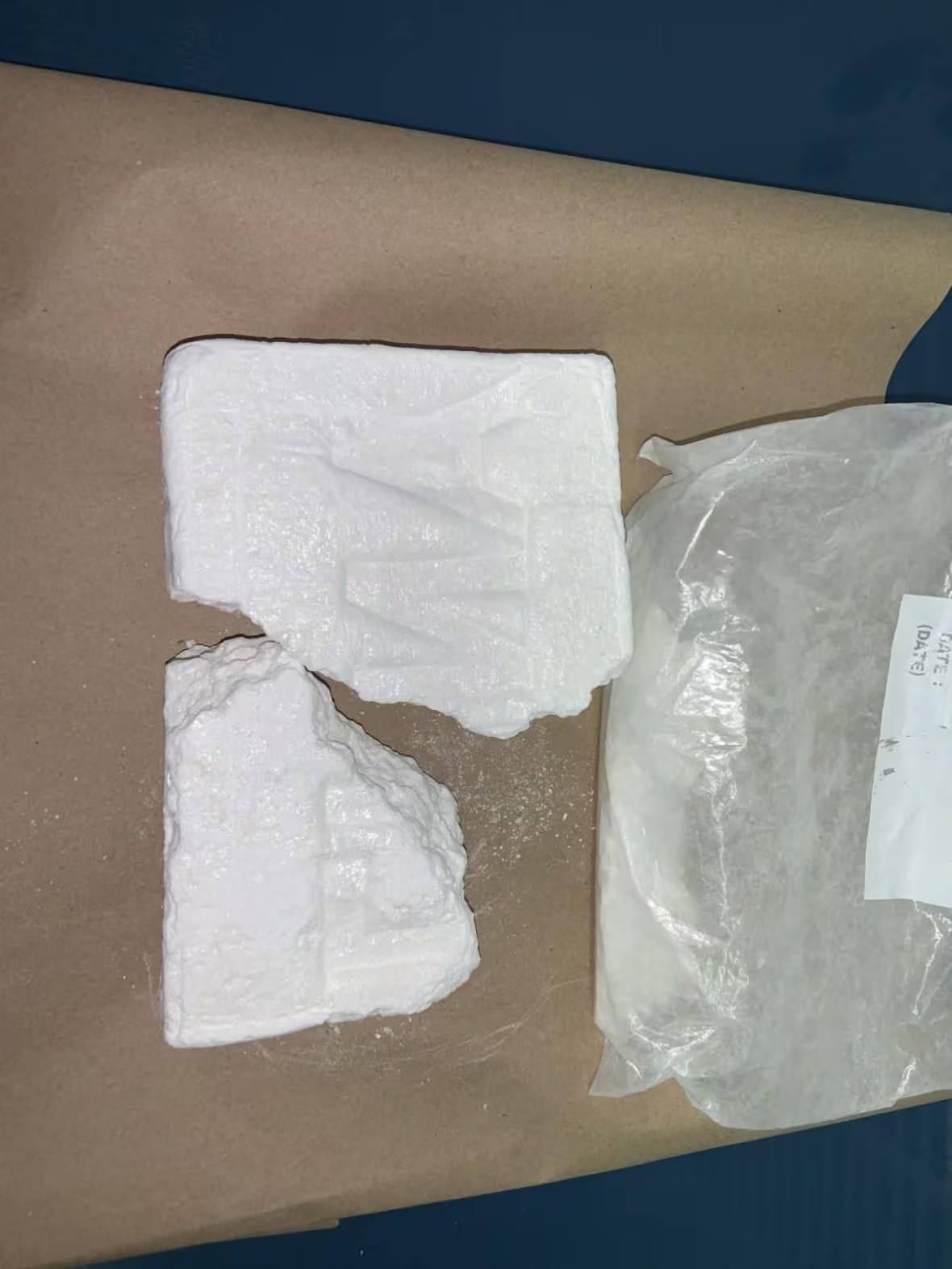
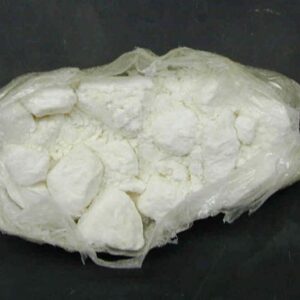
Bolivian cocaine is an informal geographic term used to describe cocaine that is claimed or believed to be associated with Bolivia. The phrase appears in historical discussions, news reporting, drug-policy research, and informal drug terminology. However, Bolivian cocaine is not a standardized medical, pharmaceutical, or scientific classification.
The word “Bolivian” describes an alleged geographic association. It does not, by itself, establish the actual origin, chemical composition, purity, potency, or safety of an individual substance.
Cocaine is a powerful stimulant that affects the central nervous system and cardiovascular system. Regardless of geographic labeling, cocaine exposure can cause serious health consequences, including elevated heart rate and blood pressure, abnormal heart rhythms, neurological complications, psychological symptoms, dependence, and potentially fatal toxicity.
This article explains what Bolivian cocaine means, Bolivia’s historical relationship with coca and cocaine, why geographic labels do not prove origin or purity, and the health effects, addiction risks, overdose warning signs, withdrawal symptoms, and treatment options associated with cocaine.
What Is Bolivian Cocaine?
Bolivian cocaine is an informal term referring to cocaine associated with Bolivia.
The word “Bolivian” is a geographic descriptor rather than a chemical classification. It does not identify a unique molecular form of cocaine.
An illicit substance described as Bolivian cocaine may have an uncertain composition, and its claimed geographic origin cannot necessarily be verified from its name, packaging, appearance, or other informal characteristics.
Therefore, the term does not automatically establish:
- Geographic origin
- Chemical composition
- Purity
- Potency
- Authenticity
- Safety
- Manufacturing standards
The phrase should be understood as an informal geographic label rather than evidence of a specific quality or formulation.
Is Bolivian Cocaine a Specific Type of Cocaine?
No. Bolivian cocaine is not a separate scientific type of cocaine.
Cocaine is a specific psychoactive compound, while “Bolivian” describes an alleged geographic association.
Geographic names sometimes appear in discussions of illicit drugs, but they should not be interpreted as standardized pharmacological categories.
The actual health effects depend on the substance present, its composition, the person’s health, and other factors.
Bolivia and the History of Coca
Bolivia has a long history involving the cultivation and traditional use of the coca plant.
Coca leaves have been used traditionally in parts of the Andean region for cultural and social purposes. Traditional coca-leaf use should not be confused with the production or use of refined cocaine.
Bolivia has also been an important subject in international discussions about coca cultivation and the cocaine trade.
These historical and geographic facts provide context for the phrase “Bolivian cocaine,” but they do not establish the origin or composition of an individual illicit substance.
It is important to distinguish traditional coca-leaf practices from cocaine, which is a concentrated psychoactive stimulant with substantially different pharmacological effects and health risks.
Traditional Coca Leaves Are Not the Same as Cocaine
The coca plant has cultural and historical significance in the Andes.
Traditional coca-leaf practices are distinct from the production and consumption of concentrated cocaine.
Coca leaves contain naturally occurring alkaloids, including cocaine, but the presence of coca leaves in traditional cultural practices does not make those practices equivalent to using refined cocaine.
This distinction is important when discussing Bolivia because the country’s historical relationship with coca extends beyond the illicit cocaine trade.
Why Geographic Labels Do Not Prove Origin
A country name attached to an illicit substance does not reliably establish where that specific substance originated.
A product described as Bolivian cocaine may have an uncertain geographic history.
A geographic label cannot independently establish:
- Where coca was cultivated
- Where a substance was processed
- Where it was packaged
- Where it was transported
- Its chemical composition
- Its purity
- Its potency
- Its safety
The label may reflect an assumption, historical association, informal terminology, or an unverified claim.
Reliable chemical or forensic analysis is fundamentally different from an informal geographic description.
Does Bolivian Cocaine Have a Particular Purity?
There is no standardized purity level associated with Bolivian cocaine.
Purity is a chemical property that cannot be determined from a country name or street term.
Illicit substances can vary considerably in composition. Two products carrying the same geographic label may have different chemical characteristics and different health risks.
For this reason, the word “Bolivian” should not be interpreted as a guarantee of purity, potency, quality, or safety.
How Cocaine Affects the Brain
If a substance described as Bolivian cocaine contains cocaine, it can affect the central nervous system.
Cocaine influences neurotransmitter systems involving dopamine, norepinephrine, and serotonin. It interferes with normal neurotransmitter reuptake, increasing activity in certain brain pathways.
Dopamine plays an important role in reward, motivation, and reinforcement.
These effects can produce temporary stimulation and euphoria but may also cause:
- Anxiety
- Irritability
- Agitation
- Restlessness
- Paranoia
- Impaired judgment
- Sleep disruption
- Strong cravings
Repeated exposure can produce changes in reward pathways and contribute to cocaine use disorder.
Short-Term Effects of Bolivian Cocaine
The effects of a substance described as Bolivian cocaine depend on its actual chemical composition.
If cocaine is present, possible short-term effects include:
- Increased alertness
- Increased energy
- Euphoria
- Increased heart rate
- Elevated blood pressure
- Reduced appetite
- Dilated pupils
- Restlessness
- Sweating
- Anxiety
- Irritability
- Agitation
- Difficulty sleeping
More severe reactions can include:
- Panic
- Severe agitation
- Confusion
- Hallucinations
- Dangerous overheating
- Abnormal heart rhythms
- Seizures
- Heart attack
- Stroke
- Loss of consciousness
The geographic label does not make these effects predictable.
Cardiovascular Risks of Cocaine
Cocaine can significantly affect the cardiovascular system.
It can increase sympathetic nervous system activity, increase heart rate and blood pressure, and cause blood vessels to constrict.
Potential complications include:
Heart attack
Cocaine can reduce blood flow to the heart while increasing the heart’s demand for oxygen.
Abnormal heart rhythms
Cocaine can interfere with the electrical activity responsible for normal cardiac rhythm.
High blood pressure
Cocaine exposure can cause substantial increases in blood pressure.
Stroke
Changes in blood pressure and blood-vessel function can contribute to stroke risk.
Cardiac arrest
Severe cocaine toxicity can result in cardiac arrest and death.
These complications can occur even in people without a previously diagnosed heart condition.
Neurological Effects of Cocaine
Cocaine can affect the brain and nervous system in potentially serious ways.
Possible neurological complications include:
- Severe headache
- Tremors
- Confusion
- Agitation
- Seizures
- Loss of coordination
- Stroke
- Loss of consciousness
Sudden weakness, difficulty speaking, facial drooping, severe headache, seizure, or sudden confusion should be treated as emergency warning signs.
Psychological Effects
Cocaine can cause significant psychological and behavioral changes.
Possible effects include:
- Euphoria
- Increased confidence
- Anxiety
- Panic
- Irritability
- Suspiciousness
- Paranoia
- Agitation
- Insomnia
- Hallucinations
- Confusion
- Mood instability
Repeated exposure may contribute to persistent psychological problems in some individuals.
Sleep deprivation and other substances can further intensify or complicate these effects.
Can Bolivian Cocaine Cause Addiction?
If a substance described as Bolivian cocaine contains cocaine, repeated exposure can result in dependence and addiction.
Cocaine activates reward pathways in the brain, reinforcing behaviors associated with repeated exposure.
Possible signs of cocaine use disorder include:
- Strong cravings
- Difficulty stopping
- Repeated unsuccessful attempts to reduce use
- Continued use despite health problems
- Continued use despite relationship difficulties
- Neglect of responsibilities
- Spending significant time focused on cocaine
- Reduced interest in other activities
- Withdrawal symptoms after stopping
Cocaine use disorder is a recognized medical condition and can be treated.
Long-Term Health Effects
Repeated cocaine exposure can affect multiple body systems.
Cardiovascular health
Repeated exposure can contribute to cardiovascular stress and serious heart and blood-vessel complications.
Neurological health
Long-term exposure may be associated with neurological and cerebrovascular complications.
Mental health
Some people experience persistent anxiety, paranoia, mood changes, or other psychological symptoms.
Sleep
Stimulant exposure can interfere with normal sleep and recovery.
Nutrition
Reduced appetite and lifestyle disruption can contribute to nutritional problems.
Addiction
Repeated exposure can lead to cravings, dependence, compulsive behavior, and cocaine use disorder.
Unknown Composition and Contamination
A major concern with illicit cocaine is uncertainty about its composition.
The term Bolivian cocaine does not provide a chemical analysis.
A substance described using this label may contain unexpected compounds or contaminants. Some may have different effects from cocaine and may introduce additional health risks.
Unknown composition can make toxicity difficult to predict and can complicate medical treatment.
For this reason, a geographic label should never be treated as proof of safety or quality.
Cocaine and Alcohol
Cocaine and alcohol can interact in the body.
When both substances are present, the body can produce cocaethylene, which is associated with additional toxicological and cardiovascular risks.
Combining substances can make adverse effects more difficult to predict.
Severe chest pain, difficulty breathing, seizures, extreme agitation, fainting, or loss of consciousness after cocaine and alcohol exposure requires urgent medical attention.
Signs of Cocaine Toxicity or Overdose
Cocaine toxicity can become life-threatening.
Potential warning signs include:
- Severe chest pain
- Difficulty breathing
- Extremely rapid heartbeat
- Irregular heartbeat
- Severe agitation
- Severe confusion
- Seizures
- Dangerous overheating
- Sudden weakness
- Severe headache
- Loss of consciousness
- Collapse
Emergency medical assistance should be obtained when serious symptoms occur.
What to Do During a Suspected Cocaine Emergency
If someone develops severe symptoms after suspected cocaine exposure:
- Contact local emergency medical services immediately.
- Stay with the person if it is safe.
- Tell medical professionals what substance may have been involved.
- If the identity of the substance is uncertain, explain that it is unknown.
- Do not give the person additional drugs or alcohol.
- If the person is unconscious but breathing, place them in an appropriate recovery position.
- If they are not breathing normally, follow emergency-dispatch instructions and provide CPR if trained and able to do so.
Providing accurate information to healthcare professionals can help with emergency assessment.
Cocaine Withdrawal
People who repeatedly use cocaine may experience withdrawal after stopping or substantially reducing use.
Possible symptoms include:
- Fatigue
- Low mood
- Anxiety
- Irritability
- Increased appetite
- Sleep disturbances
- Difficulty concentrating
- Reduced motivation
- Restlessness
- Strong cravings
Withdrawal varies between individuals.
Some people experience significant depression during withdrawal. Anyone experiencing suicidal thoughts or an immediate risk of self-harm should seek urgent professional help.
Treatment for Cocaine Addiction
Cocaine use disorder can be treated through professional support.
Behavioral therapy
Evidence-based behavioral treatments can help individuals identify triggers, manage cravings, develop coping strategies, and change behaviors associated with cocaine use.
Counseling
Individual and group counseling can provide structured recovery support.
Peer-support programs
Recovery communities can provide social support and encouragement.
Medical evaluation
Healthcare professionals can assess cardiovascular, neurological, and psychological consequences of cocaine use.
Treatment of co-occurring conditions
Depression, anxiety, trauma-related conditions, sleep disorders, and other substance-use disorders may require treatment alongside cocaine use disorder.
Treatment plans should be individualized according to medical and psychological needs.
Bolivian Cocaine Versus Pharmaceutical Cocaine
An informal geographic term such as Bolivian cocaine should not be confused with pharmaceutical cocaine.
Pharmaceutical cocaine is a regulated medication used in limited medical circumstances under professional supervision.
An illicit substance described as Bolivian cocaine does not have the same regulatory controls.
The existence of pharmaceutical cocaine does not make an illicit cocaine product safe or predictable.
Common Misconceptions About Bolivian Cocaine
Myth: Bolivian cocaine is a separate chemical form.
Fact: Bolivian cocaine is an informal geographic term rather than a distinct scientific classification.
Myth: The word Bolivian proves the substance originated in Bolivia.
Fact: A geographic label cannot independently verify the origin of a particular substance.
Myth: Bolivian cocaine has a specific purity level.
Fact: No standardized purity is associated with the geographic term.
Myth: Cocaine from one country is automatically safer than cocaine from another.
Fact: Geographic association does not establish safety.
Myth: Traditional coca use and cocaine use are the same thing.
Fact: Traditional coca-leaf practices are culturally distinct from the use of concentrated cocaine.
Myth: Cocaine only affects the brain.
Fact: Cocaine can seriously affect the cardiovascular system, brain, blood vessels, and mental health.
Myth: Addiction is simply a lack of self-control.
Fact: Cocaine use disorder is a recognized medical condition involving reward, reinforcement, and behavioral changes.
Frequently Asked Questions About Bolivian Cocaine
What is Bolivian cocaine?
Bolivian cocaine is an informal geographic term used to describe cocaine associated with Bolivia. It is not a standardized scientific or pharmaceutical category.
Does Bolivian cocaine definitely come from Bolivia?
No. The geographic label alone cannot verify the origin of a specific substance.
Is Bolivian cocaine chemically different from other cocaine?
The geographic label does not identify a separate chemical form of cocaine.
Does Bolivian cocaine have a specific purity?
No. There is no standardized purity associated with the term Bolivian cocaine.
Is coca leaf the same as cocaine?
No. Traditional coca-leaf practices are different from the use of concentrated cocaine.
What are the effects of Bolivian cocaine?
If a substance contains cocaine, possible effects include stimulation, euphoria, increased heart rate, elevated blood pressure, anxiety, agitation, and other stimulant effects.
Can Bolivian cocaine cause addiction?
Yes. If it contains cocaine, repeated exposure can contribute to cravings, dependence, and cocaine use disorder.
What are the major health risks of cocaine?
Major risks include heart attack, abnormal heart rhythms, stroke, seizures, severe psychological reactions, overheating, loss of consciousness, and potentially fatal toxicity.
Can cocaine interact with alcohol?
Yes. Cocaine and alcohol can interact and lead to the formation of cocaethylene, which is associated with additional health risks.
What are the signs of cocaine overdose?
Severe chest pain, difficulty breathing, seizures, severe confusion, extreme agitation, overheating, abnormal heartbeat, collapse, and loss of consciousness can indicate a medical emergency.
Is cocaine addiction treatable?
Yes. Behavioral therapy, counseling, medical care, recovery support, and treatment of co-occurring conditions can help people recover from cocaine use disorder.
Key Facts About Bolivian Cocaine
- Bolivian cocaine is an informal geographic term.
- It is not a standardized medical or pharmaceutical classification.
- A geographic label does not prove the actual origin of a substance.
- The term does not establish purity, potency, or safety.
- Bolivia has a long history involving traditional coca-leaf use.
- Traditional coca-leaf practices should not be confused with concentrated cocaine.
- Cocaine is a powerful central nervous system stimulant.
- Cocaine can significantly affect the cardiovascular system.
- Serious neurological complications can occur.
- Cocaine can produce anxiety, paranoia, agitation, and other psychological effects.
- Repeated exposure can contribute to dependence and cocaine use disorder.
- Combining cocaine with alcohol can create additional toxicological concerns.
- Unknown composition can make illicit cocaine particularly unpredictable.
- Severe chest pain, seizures, difficulty breathing, collapse, or loss of consciousness require emergency medical attention.
- Professional treatment and recovery support are available.
Conclusion
Bolivian cocaine is an informal geographic term used to describe cocaine associated with Bolivia. It is not a separate scientific or pharmaceutical form of cocaine, and the geographic label cannot independently establish the origin, purity, potency, chemical composition, or safety of a specific substance.
Bolivia’s long history of traditional coca-leaf use is an important cultural and historical subject, but traditional coca practices should not be confused with the use of concentrated cocaine.
Cocaine can have serious effects on the cardiovascular system, brain, nervous system, and mental health. Repeated exposure can contribute to dependence and cocaine use disorder, while uncertain composition can introduce additional health risks.
Understanding the difference between geographic terminology, traditional coca use, and verified chemical information is important. Regardless of the label applied to a substance, severe symptoms such as chest pain, seizures, difficulty breathing, severe confusion, collapse, or loss of consciousness should be treated as a medical emergency.
People experiencing problematic cocaine use can seek professional treatment, counseling, behavioral therapy, and recovery support.
Reviews
There are no reviews yet.