
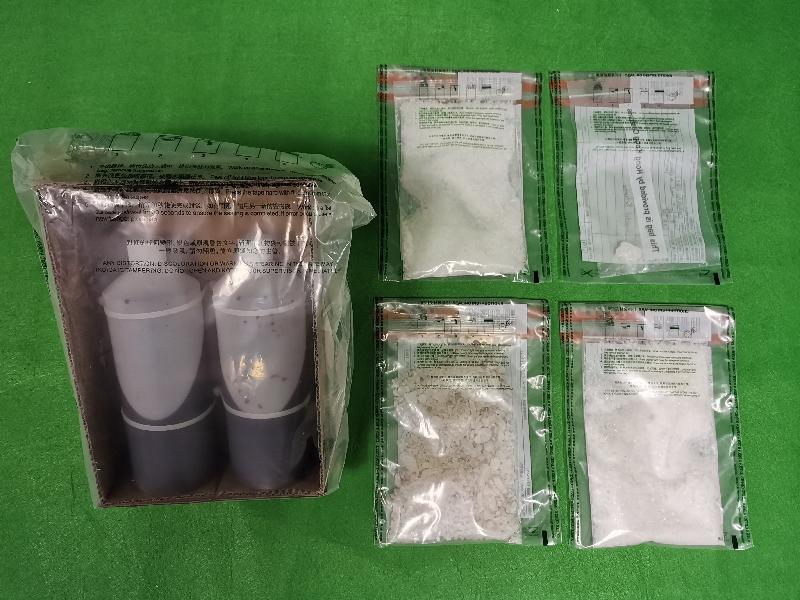

Description
Liquid cocaine is a term that can refer to cocaine that has been dissolved, formulated, or otherwise described in a liquid state. However, the phrase does not identify one standardized substance. Depending on the context, “liquid cocaine” may refer to an illicit preparation, a misleading street description, or confusion with a legitimate pharmaceutical formulation.
Cocaine is a powerful stimulant that affects the brain, cardiovascular system, and nervous system. A liquid form does not make cocaine safe, and the physical state of a substance cannot be used to determine its purity, concentration, or toxicity.
Understanding the meaning of liquid cocaine is important because informal drug terminology can be inconsistent. The same term may be used for different substances, while substances sold under similar names may contain unexpected ingredients.
This article explains what liquid cocaine means, how cocaine affects the body, potential health risks, concerns about unknown composition, signs of a medical emergency, addiction, withdrawal, and treatment options.
What Is Liquid Cocaine?
The term liquid cocaine generally describes cocaine associated with a liquid preparation or liquid appearance. It is not a standardized medical classification.
Cocaine itself is a naturally occurring stimulant compound derived from coca plants. In regulated medicine, cocaine may exist in controlled pharmaceutical formulations for specific clinical purposes. Outside legitimate medical settings, however, substances described as liquid cocaine can have uncertain composition.
The name alone cannot establish:
- The concentration of cocaine
- The purity of the substance
- The presence of other drugs
- The presence of toxic contaminants
- The actual identity of the substance
- Whether it originated from a legitimate pharmaceutical source
For this reason, “liquid cocaine” should not be treated as a precise chemical category.
Is Liquid Cocaine a Different Type of Cocaine?
Not necessarily.
Changing the physical state or formulation of cocaine does not create a completely different chemical substance. The risks depend on the actual composition and exposure involved.
A liquid preparation could potentially contain cocaine along with other substances. Without professional chemical analysis, it may be impossible to determine exactly what a particular illicit liquid contains.
This uncertainty is one of the major health concerns surrounding illicit drug products.
Liquid Cocaine and Pharmaceutical Cocaine
It is important to distinguish informal references to liquid cocaine from legitimate pharmaceutical cocaine.
Cocaine has limited medical applications in certain clinical settings. Pharmaceutical products are manufactured under controlled conditions and are subject to quality standards, labeling requirements, and professional oversight.
An illicit substance described as liquid cocaine does not automatically have these safeguards.
The term “liquid cocaine” therefore should not be interpreted as meaning that a product is pharmaceutical-grade, medically approved, or safe.
Why the Term Can Be Misleading
Street terminology is often inconsistent.
The phrase liquid cocaine may be used to describe substances that differ significantly in:
- Chemical composition
- Concentration
- Intended purpose
- Manufacturing history
- Contaminants
- Pharmacological effects
A name can therefore create a false impression of certainty.
A person cannot reliably determine the identity or safety of an unknown liquid simply from its color, smell, packaging, texture, or label.
How Cocaine Affects the Brain
Cocaine is a central nervous system stimulant.
One of its major effects involves dopamine, a neurotransmitter involved in reward, motivation, and reinforcement. Cocaine interferes with normal dopamine reuptake, increasing dopamine activity in certain parts of the brain.
This can produce temporary effects such as:
- Increased alertness
- Increased energy
- Euphoria
- Reduced appetite
- Restlessness
- Increased confidence
- Increased activity
The same effects that contribute to cocaine’s reinforcing properties can also contribute to dependence and addiction.
Short-Term Effects of Cocaine
The short-term effects of cocaine can vary considerably.
Possible effects include:
- Increased heart rate
- Increased blood pressure
- Dilated pupils
- Sweating
- Restlessness
- Agitation
- Anxiety
- Reduced appetite
- Difficulty sleeping
- Tremors
- Irritability
- Paranoia
The effects may become more dangerous when an unknown substance contains additional stimulants or other drugs.
Cardiovascular Risks of Liquid Cocaine
One of the most serious concerns associated with cocaine is its effect on the cardiovascular system.
Cocaine can increase heart rate and blood pressure while causing blood vessels to constrict. This can place significant stress on the heart.
Potential cardiovascular complications include:
- Rapid heartbeat
- Abnormal heart rhythms
- Severe hypertension
- Reduced blood flow to the heart
- Heart attack
- Stroke
- Cardiac arrest
These complications can occur unexpectedly and may require immediate medical attention.
Neurological Effects
Cocaine can also have serious effects on the nervous system.
Potential neurological complications include:
- Severe headaches
- Seizures
- Confusion
- Loss of consciousness
- Stroke
- Cerebral bleeding
- Changes in coordination
Sudden weakness, facial drooping, difficulty speaking, severe headache, or loss of consciousness should be treated as an emergency.
Psychological Effects
Liquid cocaine does not eliminate the psychological risks associated with cocaine.
Possible psychological effects include:
- Anxiety
- Agitation
- Irritability
- Paranoia
- Panic
- Mood changes
- Restlessness
- Difficulty sleeping
Repeated cocaine exposure may contribute to persistent psychological problems and can worsen pre-existing mental health difficulties.
Can Liquid Cocaine Cause Addiction?
Yes. If a liquid preparation contains cocaine, it can carry the addictive potential associated with cocaine.
Cocaine affects the brain’s reward pathways and can reinforce repeated exposure. Over time, some individuals develop cocaine use disorder.
Possible warning signs include:
- Strong cravings
- Difficulty controlling use
- Repeated attempts to stop without success
- Continued use despite negative consequences
- Spending significant time thinking about or seeking the substance
- Problems at work or school
- Relationship difficulties
- Continued use despite health problems
Addiction is a treatable medical condition, and professional treatment can help people recover.
Long-Term Health Effects
Repeated cocaine exposure may affect several body systems.
Cardiovascular effects
Long-term exposure can contribute to ongoing cardiovascular stress and increase the risk of serious heart and blood-vessel complications.
Neurological effects
Repeated cocaine use may be associated with neurological problems, including complications involving the brain’s blood vessels.
Mental health effects
Long-term use may contribute to anxiety, paranoia, mood changes, sleep problems, and other psychological symptoms.
Sleep disruption
Cocaine is a stimulant and can interfere with normal sleep patterns.
Nutritional effects
Cocaine can reduce appetite, potentially contributing to poor nutrition when use becomes frequent.
Unknown Ingredients and Contamination
One of the most significant concerns with illicit liquid cocaine is uncertainty about its composition.
An unknown liquid may contain substances that were not expected by the person exposed to it. These could potentially include other drugs, chemicals, solvents, or contaminants.
This uncertainty can make the effects difficult to predict.
A label such as “liquid cocaine” does not guarantee that cocaine is the only active substance present.
Liquid Cocaine and Other Drugs
Cocaine can become particularly dangerous when combined with other substances.
Combining stimulants may increase cardiovascular and neurological stress. Combining cocaine with alcohol or other drugs can also create additional risks.
When the composition of an illicit liquid is unknown, the danger is even harder to predict.
If someone becomes seriously ill after exposure to an unknown substance, emergency medical assistance should be sought immediately.
Signs of a Cocaine-Related Emergency
Some symptoms require urgent medical attention.
Possible warning signs include:
- Chest pain
- Difficulty breathing
- Very rapid or irregular heartbeat
- Severe agitation
- Extreme confusion
- Seizures
- Loss of consciousness
- Sudden weakness or numbness
- Difficulty speaking
- Severe headache
- Signs of stroke
- Extremely high body temperature
If these symptoms occur, contact local emergency medical services immediately.
What to Do During a Suspected Overdose
A suspected cocaine overdose or poisoning should be treated as a medical emergency.
Do not rely on the appearance or name of the substance to determine whether the situation is serious.
Emergency professionals should be informed about any known or suspected substance exposure. Providing accurate information can help medical personnel determine appropriate care.
If the person is unconscious, having a seizure, struggling to breathe, or showing signs of a heart attack or stroke, emergency assistance is especially urgent.
Liquid Cocaine Withdrawal
People who repeatedly use cocaine may experience withdrawal when they stop.
Cocaine withdrawal can involve substantial psychological and behavioral symptoms.
Possible symptoms include:
- Fatigue
- Low mood
- Increased appetite
- Sleep changes
- Irritability
- Anxiety
- Difficulty concentrating
- Reduced motivation
- Strong cravings
Some individuals can experience severe depression during withdrawal. Anyone experiencing thoughts of suicide or self-harm should receive immediate professional assistance.
Treatment for Cocaine Use Disorder
Treatment can help people who have developed problems related to cocaine.
Depending on individual circumstances, treatment may include:
- Behavioral therapy
- Counseling
- Addiction treatment programs
- Mental health services
- Recovery support groups
- Relapse-prevention strategies
- Treatment for co-occurring mental health conditions
- Family and social support
A healthcare professional or addiction specialist can help determine the most appropriate treatment approach.
Why Professional Help Matters
Cocaine addiction is not simply a matter of willpower. Repeated exposure can affect brain reward pathways and behavioral patterns.
Professional treatment can provide structured support while addressing:
- Cravings
- Triggers
- Mental health concerns
- Relationship difficulties
- Sleep problems
- Relapse risks
- Other substance use
- Social and environmental factors
Seeking help early can be an important part of recovery.
Common Misconceptions About Liquid Cocaine
Myth: Liquid cocaine is safer than other forms of cocaine
Changing the physical form does not remove cocaine’s cardiovascular, neurological, or psychological risks.
Myth: A liquid appearance proves purity
Appearance cannot reliably establish the chemical composition of an illicit substance.
Myth: Liquid cocaine is always pharmaceutical
The phrase can be used informally and does not establish that a product comes from a regulated medical source.
Myth: Cocaine only affects the brain
Cocaine can significantly affect the heart, blood vessels, nervous system, and mental health.
Myth: Previous exposure without problems means future exposure is safe
A previous lack of complications does not eliminate the possibility of a future medical emergency.
Liquid Cocaine vs. Other Cocaine Descriptions
Different cocaine-related terms may describe different physical forms, informal names, or geographic associations.
For example, terms such as powder cocaine, rock cocaine, or geographic labels can be used in different contexts. These descriptions do not necessarily represent standardized chemical categories.
The important health consideration is the actual substance involved and its effects on the body.
Frequently Asked Questions About Liquid Cocaine
What is liquid cocaine?
Liquid cocaine is an informal term that may refer to cocaine associated with a liquid preparation. It is not a standardized scientific or pharmaceutical classification.
Is liquid cocaine real?
The term can describe a liquid preparation containing cocaine, but it may also be used inconsistently or misleadingly. The name alone cannot establish the contents of an unknown liquid.
Is liquid cocaine safer than powdered cocaine?
No. A liquid form does not eliminate the cardiovascular, neurological, psychological, or addiction risks associated with cocaine.
Can liquid cocaine be addictive?
Yes. If a liquid preparation contains cocaine, it can produce dependence and cocaine use disorder.
What are the health risks of liquid cocaine?
Potential risks include increased heart rate and blood pressure, abnormal heart rhythms, heart attack, stroke, seizures, anxiety, paranoia, addiction, and other serious complications.
Can liquid cocaine cause an overdose?
Yes. Cocaine toxicity can result in life-threatening cardiovascular, neurological, and systemic complications.
Can you identify liquid cocaine by appearance?
No. Color, consistency, smell, or packaging cannot reliably establish the chemical composition or safety of an unknown liquid.
What are the signs of a cocaine emergency?
Chest pain, difficulty breathing, seizures, loss of consciousness, severe confusion, extreme agitation, irregular heartbeat, severe headache, and stroke symptoms are important emergency warning signs.
Is there treatment for cocaine addiction?
Yes. Behavioral therapies, counseling, addiction treatment programs, and other professional support can help people with cocaine use disorder.
Is pharmaceutical cocaine the same as illicit liquid cocaine?
No. Pharmaceutical cocaine is manufactured and regulated for specific medical applications. An illicit product described as liquid cocaine does not automatically meet pharmaceutical quality or safety standards.
Key Facts About Liquid Cocaine
The most important facts to remember include:
- Liquid cocaine is not a standardized medical classification.
- The term can be used inconsistently.
- A liquid form does not make cocaine safe.
- Appearance cannot reliably determine purity or composition.
- Unknown liquids may contain unexpected substances.
- Cocaine can affect the cardiovascular and nervous systems.
- Cocaine can produce serious psychological effects.
- Repeated cocaine exposure can result in addiction.
- Cocaine toxicity can become life-threatening.
- Chest pain, seizures, breathing problems, unconsciousness, and stroke symptoms require emergency medical attention.
- Professional treatment is available for cocaine use disorder.
Conclusion
Liquid cocaine is an informal term rather than a standardized scientific classification. It may refer to cocaine associated with a liquid preparation, but the phrase alone does not establish the identity, concentration, purity, origin, or safety of a substance.
Cocaine is a powerful stimulant capable of affecting the brain, heart, blood vessels, and nervous system. Serious complications can include abnormal heart rhythms, heart attack, stroke, seizures, severe psychological symptoms, and potentially fatal toxicity.
The uncertainty surrounding illicit liquid substances creates an additional health concern because the contents may not match the name or description provided. Anyone experiencing serious symptoms after exposure to cocaine or an unknown substance should seek emergency medical attention.
For people experiencing repeated cocaine use, cravings, dependence, or difficulty stopping, professional addiction treatment and mental health support can provide a path toward recovery.
Reviews
There are no reviews yet.