
Description
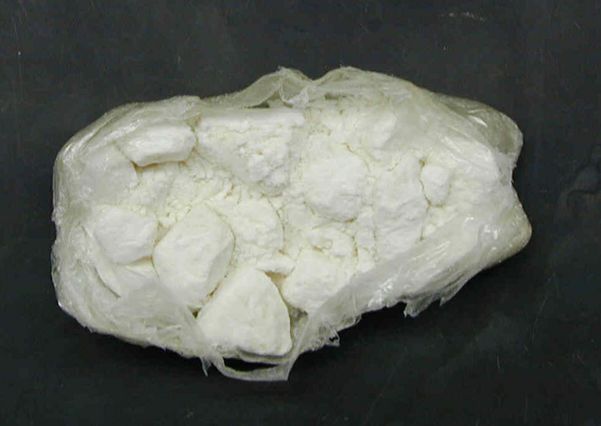
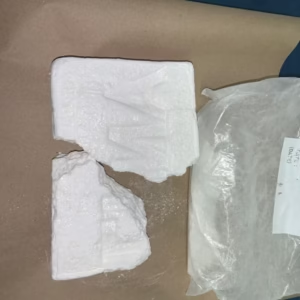
Brazilian cocaine is an informal geographic term used to describe cocaine that is claimed or believed to be associated with Brazil. The phrase may appear in news reports, drug-policy discussions, historical accounts, and informal drug terminology. However, Brazilian cocaine is not a standardized medical, pharmaceutical, or scientific classification.
A geographic label does not establish the actual origin, purity, potency, composition, or safety of a particular substance. An illicit product described as Brazilian cocaine may have an uncertain chemical composition, and its appearance or labeling cannot reliably confirm where it originated. Buy Brazilian Cocaine online
Cocaine itself is a powerful stimulant that affects the central nervous system, heart, blood vessels, and other organs. Regardless of geographic terminology, cocaine exposure can result in serious health complications, including cardiovascular problems, neurological effects, psychological symptoms, dependence, and potentially fatal toxicity.
This article explains what Brazilian cocaine means, its geographic and historical context, why origin labels do not establish purity, the effects and risks of cocaine, addiction, overdose warning signs, withdrawal, and treatment.
What Is Brazilian Cocaine?
Brazilian cocaine is an informal term referring to cocaine associated with Brazil.
The word “Brazilian” functions as a geographic descriptor rather than a chemical classification. It does not describe a unique molecular form of cocaine.
The term may be used in different contexts, and the claimed geographic association of an illicit substance cannot necessarily be verified from its name, packaging, appearance, or marketing.
A substance described as Brazilian cocaine therefore does not automatically have a known:
- Geographic origin
- Chemical composition
- Purity
- Potency
- Manufacturing standard
- Safety profile
The term should be understood as an informal geographic label rather than evidence of a particular quality or chemical formulation.
Is Brazilian Cocaine a Specific Type of Cocaine?
No. Brazilian cocaine is not a distinct scientific type of cocaine.
Cocaine is a specific psychoactive compound, while “Brazilian” indicates an alleged geographic association.
Similar geographic expressions can be used for cocaine associated with different countries or regions. These names should not be interpreted as proof that each geographic category has different pharmacological properties.
The actual health risks depend on the substance involved, its composition, the person’s health, and other circumstances.
Brazil and the Regional Cocaine Trade
Brazil has an important geographic position in South America and shares borders with several countries where coca cultivation has historically occurred. Its extensive territory, population, transportation infrastructure, and access to both Atlantic and regional routes have made Brazil relevant to international drug-trafficking research.
Brazil has also been discussed extensively in international drug-policy and law-enforcement reports concerning cocaine trafficking.
This historical and geographic context does not mean that every substance labeled Brazilian cocaine originated in Brazil.
It is important to distinguish a country’s documented role in regional drug trafficking from the verified origin of an individual substance.
Why Geographic Labels Do Not Prove Origin
A major misconception about terms such as Brazilian cocaine is that the country name automatically establishes where the substance came from.
It does not.
An informal geographic label cannot reliably establish:
- Where a substance was produced
- Where it was processed
- Where it was packaged
- How it was transported
- What chemicals it contains
- Its purity
- Its potency
- Its safety
Geographic terminology may reflect marketing, assumptions, historical associations, or incomplete information.
Therefore, the word “Brazilian” should not be treated as laboratory evidence.
Does Brazilian Cocaine Have a Particular Purity?
There is no standardized purity level associated with the term Brazilian cocaine.
Purity is a chemical property that cannot be reliably determined from a country name, color, texture, packaging, or street terminology.
Illicit substances can vary substantially in composition. A product carrying the same geographic label may not have the same chemical characteristics as another product with that label.
This variability is an important health concern because unexpected substances can introduce additional risks.
How Cocaine Affects the Brain
If a substance described as Brazilian cocaine contains cocaine, it can affect the central nervous system.
Cocaine influences neurotransmitters including dopamine, norepinephrine, and serotonin. It interferes with their normal reuptake, increasing their activity in certain areas of the brain.
Dopamine is particularly important in the brain’s reward and reinforcement systems.
These effects can produce temporary stimulation and euphoria while also contributing to:
- Anxiety
- Irritability
- Agitation
- Paranoia
- Restlessness
- Impaired judgment
- Sleep disruption
- Cravings
Repeated cocaine exposure can alter reward pathways and contribute to cocaine use disorder.
Short-Term Effects of Brazilian Cocaine
The effects of a substance described as Brazilian cocaine depend on its actual composition.
If it contains cocaine, possible short-term effects include:
- Increased alertness
- Increased energy
- Euphoria
- Reduced appetite
- Increased heart rate
- Elevated blood pressure
- Dilated pupils
- Restlessness
- Sweating
- Anxiety
- Irritability
- Agitation
- Difficulty sleeping
More serious reactions can include:
- Severe anxiety or panic
- Extreme agitation
- Confusion
- Hallucinations
- Dangerous overheating
- Abnormal heart rhythms
- Seizures
- Heart attack
- Stroke
- Loss of consciousness
The geographic label does not make these effects predictable or safer.
Cardiovascular Risks of Cocaine
Cocaine can place substantial stress on the cardiovascular system.
It can increase sympathetic nervous system activity, raise heart rate and blood pressure, and cause blood vessels to constrict.
Potential cardiovascular complications include:
Heart attack
Cocaine can reduce blood flow to the heart while increasing the heart’s demand for oxygen.
Abnormal heart rhythms
Cocaine can interfere with the electrical activity that controls normal heart rhythm.
High blood pressure
Significant increases in blood pressure can occur after cocaine exposure.
Stroke
Changes in blood pressure and blood-vessel function can contribute to stroke risk.
Cardiac arrest
Severe cocaine toxicity can result in cardiac arrest and death.
These complications can occur even in people who do not have a previously diagnosed heart condition.
Neurological Effects
Cocaine can affect the brain and nervous system in serious ways.
Potential neurological effects include:
- Severe headache
- Tremors
- Confusion
- Agitation
- Seizures
- Loss of coordination
- Stroke
- Loss of consciousness
Sudden weakness, difficulty speaking, facial drooping, seizure, severe headache, or sudden confusion should be treated as emergency warning signs.
Psychological Effects
Cocaine can cause significant changes in mood, perception, and behavior.
Possible psychological effects include:
- Euphoria
- Increased confidence
- Anxiety
- Panic
- Irritability
- Suspiciousness
- Paranoia
- Agitation
- Insomnia
- Hallucinations
- Confusion
- Mood instability
Repeated exposure may increase the likelihood of persistent psychological problems in some individuals.
Sleep deprivation and the use of other substances can further complicate these effects.
Can Brazilian Cocaine Cause Addiction?
If a substance described as Brazilian cocaine contains cocaine, repeated exposure can lead to dependence and addiction.
Cocaine strongly activates the brain’s reward system. This reinforcement can contribute to cravings and compulsive patterns of use.
Possible signs of cocaine use disorder include:
- Strong cravings
- Difficulty stopping
- Repeated unsuccessful efforts to reduce use
- Continuing to use despite health problems
- Continuing despite relationship difficulties
- Neglecting work or other responsibilities
- Spending substantial time focused on cocaine
- Losing interest in other activities
- Experiencing withdrawal symptoms after stopping
Cocaine use disorder is a recognized medical condition and can be treated.
Long-Term Health Effects of Cocaine
Repeated cocaine exposure can affect multiple body systems.
Cardiovascular health
Long-term exposure can contribute to ongoing cardiovascular stress and serious heart and blood-vessel complications.
Neurological health
Repeated exposure may contribute to neurological and cerebrovascular problems.
Mental health
Some individuals may experience persistent anxiety, paranoia, mood changes, or other psychiatric symptoms.
Sleep
Stimulant exposure can interfere with normal sleep and recovery.
Appetite and nutrition
Cocaine can reduce appetite, potentially contributing to nutritional problems when use is repeated.
Addiction
Repeated exposure can result in cravings, dependence, compulsive behavior, and cocaine use disorder.
Unknown Composition and Contamination
One of the most important risks associated with illicit cocaine is uncertainty about composition.
The label Brazilian cocaine does not provide a chemical analysis.
An illicit substance may contain unexpected compounds or contaminants. Some may have effects that differ from those expected from cocaine.
Unknown composition can make adverse reactions more difficult to predict and may complicate medical treatment.
For this reason, geographic terminology should never be used as a substitute for reliable chemical information.
Cocaine and Alcohol
Cocaine and alcohol can interact in the body.
When both substances are present, the body can produce cocaethylene, a compound associated with additional toxicological and cardiovascular risks.
Combining cocaine and alcohol can therefore create additional concerns beyond the effects of either substance individually.
Severe chest pain, difficulty breathing, seizures, extreme agitation, fainting, or loss of consciousness after exposure to cocaine and alcohol requires urgent medical attention.
Signs of Cocaine Toxicity or Overdose
Cocaine toxicity can become life-threatening.
Possible warning signs include:
- Severe chest pain
- Difficulty breathing
- Extremely rapid heartbeat
- Irregular heartbeat
- Severe agitation
- Severe confusion
- Seizures
- Dangerous overheating
- Sudden weakness
- Severe headache
- Loss of consciousness
- Collapse
Emergency medical assistance should be sought when serious symptoms occur.
What to Do During a Suspected Cocaine Emergency
If someone develops severe symptoms after suspected cocaine exposure:
- Contact local emergency medical services immediately.
- Stay with the person if it is safe to do so.
- Tell medical professionals what substance may have been involved.
- If the identity of the substance is uncertain, explain that it is unknown.
- Do not give the person additional drugs or alcohol.
- If the person is unconscious but breathing, place them in an appropriate recovery position.
- If they are not breathing normally, follow emergency-dispatch instructions and provide CPR if trained and able to do so.
Providing accurate information to medical professionals can help them assess possible toxicity.
Cocaine Withdrawal
People who use cocaine repeatedly may experience withdrawal after stopping or substantially reducing use.
Possible symptoms include:
- Fatigue
- Low mood
- Anxiety
- Irritability
- Increased appetite
- Sleep disturbances
- Difficulty concentrating
- Reduced motivation
- Restlessness
- Strong cravings
Withdrawal experiences vary from person to person.
Some people experience significant depression during withdrawal. Anyone experiencing suicidal thoughts or an immediate risk of self-harm should seek urgent professional assistance.
Treatment for Cocaine Addiction
Cocaine use disorder can be treated with professional support.
Behavioral therapies
Behavioral treatments can help people identify triggers, manage cravings, develop coping strategies, and change behaviors associated with cocaine use.
Counseling
Individual or group counseling can provide structured support during recovery.
Recovery programs
Peer-support and community-based recovery programs can provide additional encouragement and social support.
Medical assessment
Healthcare professionals can evaluate cardiovascular, neurological, and psychological consequences of cocaine use.
Treatment of co-occurring conditions
Depression, anxiety, trauma-related disorders, sleep problems, and other substance-use disorders may need treatment alongside cocaine use disorder.
Treatment should be individualized according to a person’s circumstances and medical needs.
Brazilian Cocaine Versus Pharmaceutical Cocaine
An informal geographic term such as Brazilian cocaine should not be confused with pharmaceutical cocaine.
Pharmaceutical cocaine is a regulated medication used in specific medical circumstances under professional supervision.
An illicit substance described as Brazilian cocaine does not have the same regulatory controls or guarantees.
The existence of pharmaceutical cocaine does not mean that illicit cocaine is safe or predictable.
Common Misconceptions About Brazilian Cocaine
Myth: Brazilian cocaine is a separate chemical form of cocaine.
Fact: Brazilian cocaine is a geographic or informal label rather than a distinct scientific classification.
Myth: The word Brazilian proves the substance came from Brazil.
Fact: An informal geographic label cannot verify the origin of an individual substance.
Myth: Brazilian cocaine has a specific purity level.
Fact: Purity cannot be established from geographic terminology.
Myth: Cocaine from a particular country is automatically safer.
Fact: Geographic association does not establish safety.
Myth: Cocaine only affects the brain.
Fact: Cocaine can seriously affect the heart, blood vessels, nervous system, and mental health.
Myth: Cocaine addiction is simply a behavioral choice.
Fact: Cocaine use disorder is a recognized medical condition involving changes in reward and reinforcement systems.
Frequently Asked Questions About Brazilian Cocaine
What is Brazilian cocaine?
Brazilian cocaine is an informal term used to describe cocaine associated with Brazil. It is not a standardized pharmaceutical or scientific classification.
Does Brazilian cocaine definitely originate in Brazil?
No. A geographic label alone cannot verify the origin of a specific substance.
Is Brazilian cocaine different from other cocaine?
The geographic label does not identify a separate chemical form of cocaine.
Does Brazilian cocaine have a specific purity?
No. There is no standardized purity associated with the term Brazilian cocaine.
What are the effects of Brazilian cocaine?
If the substance contains cocaine, possible effects include increased alertness, euphoria, elevated heart rate, increased blood pressure, anxiety, agitation, and other stimulant effects.
Can Brazilian cocaine cause addiction?
Yes. If it contains cocaine, repeated exposure can result in cravings, dependence, and cocaine use disorder.
What are the major risks of cocaine?
Major risks include heart attack, abnormal heart rhythms, stroke, seizures, severe psychological reactions, overheating, loss of consciousness, and potentially fatal toxicity.
Can cocaine interact with alcohol?
Yes. Cocaine and alcohol can interact and lead to the formation of cocaethylene, which is associated with additional health risks.
What are signs of cocaine overdose?
Severe chest pain, difficulty breathing, seizures, severe confusion, extreme agitation, overheating, abnormal heartbeat, collapse, and loss of consciousness can indicate a medical emergency.
Is cocaine addiction treatable?
Yes. Behavioral therapy, counseling, medical care, recovery support, and treatment of co-occurring conditions can help people recover from cocaine use disorder.
Key Facts About Brazilian Cocaine
- Brazilian cocaine is an informal geographic term.
- It is not a standardized medical or pharmaceutical category.
- A Brazilian label does not prove the actual geographic origin of a substance.
- Geographic terminology does not establish purity or potency.
- Cocaine is a powerful central nervous system stimulant.
- Cocaine can place significant stress on the cardiovascular system.
- Serious neurological complications can occur.
- Cocaine can produce anxiety, paranoia, agitation, and other psychological effects.
- Repeated exposure can contribute to dependence and cocaine use disorder.
- Combining cocaine with alcohol creates additional toxicological concerns.
- Unknown composition can make illicit cocaine particularly unpredictable.
- Severe chest pain, seizures, difficulty breathing, collapse, or loss of consciousness require emergency medical attention.
- Professional treatment and recovery support are available for people experiencing cocaine addiction.
Conclusion
Brazilian cocaine is an informal geographic term used to describe cocaine associated with Brazil. It is not a distinct scientific or pharmaceutical form of cocaine, and the geographic label alone cannot establish a substance’s actual origin, purity, potency, composition, or safety.
Cocaine can have serious effects on the cardiovascular system, brain, nervous system, and mental health. Repeated exposure can contribute to dependence and cocaine use disorder, while uncertain composition can create additional health risks.
Understanding the difference between a geographic label and verified chemical information is important when discussing illicit substances. Regardless of what a product is called, severe symptoms such as chest pain, seizures, difficulty breathing, severe confusion, collapse, or loss of consciousness should be treated as a medical emergency.
People experiencing problematic cocaine use can seek professional treatment, behavioral therapy, counseling, and recovery support.
Reviews
There are no reviews yet.